Don’t let your spaghetti noodles stick together.

Over the years many clients of mine have asked “What causes the stress in their muscles?” “Why is that muscle so tight?”
My answer is usually your spaghetti noodles are stuck together. That sounds a little weird, but bear with me.  If you stick noodles in a pot and don’t stir them, what happens? They stick together. What if you try to cook the noodles with not enough water? The noodles stay hard, don’t cook or they never soften.

Our muscles are made up of bunch of fibers, sorta like spaghetti noodles.
Frankly there are a lot if reasons why our muscles get tight. Usually if we don’t stretch our muscles, have a lot of stressors, are not active, poor posture or stay hydrated the muscle fibers will stick together. Just like the spaghetti noodles when we don’t stir them or use enough water.  The noodles are a silly analogy for the muscle fibers. But usually everyone knows what spaghetti noodles look like and have a basic premise on how to cook them.

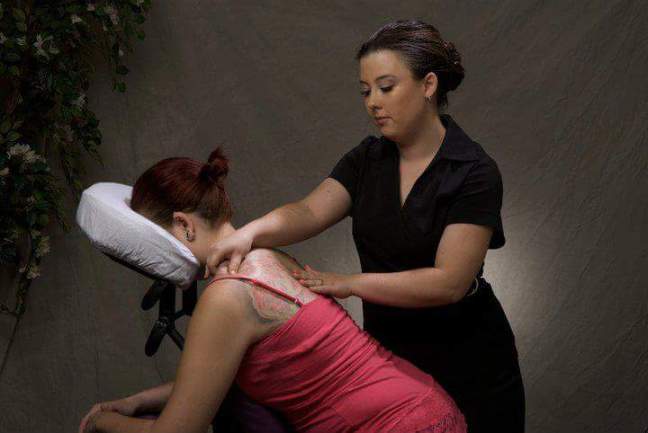
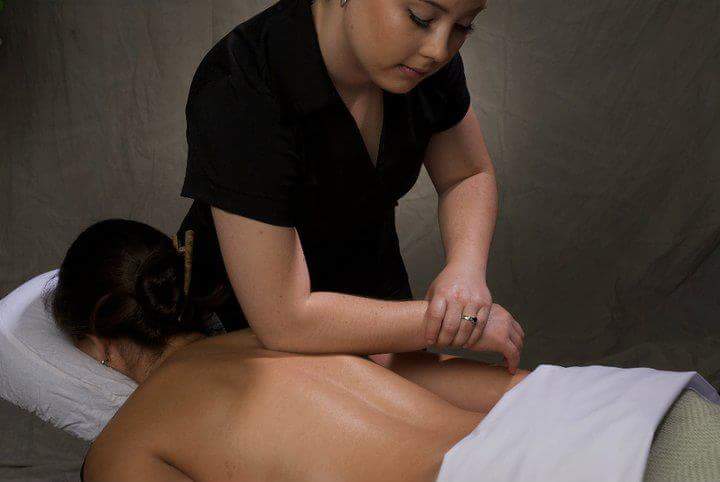
So how do you keep your muscle fibers from sticking together. One of the best was is through massage. Massage loosens the muscle fibers so they can move freely. This helps with improving range of motion and relieves tension.
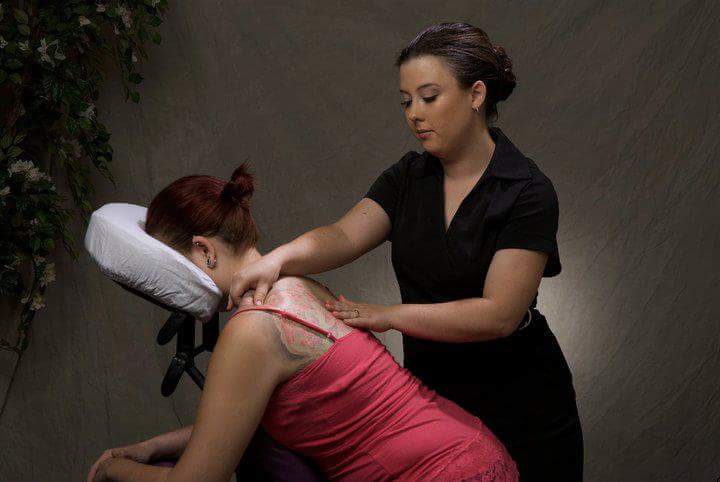

I recommend getting a massage a minimum of every three months, once every two weeks is ideal. Just like our car needs a good tune up every so many miles, so do we. Hey, another analogy!

Now massage won’t fix every tight muscle if you are not taking care of your body. I will go into more details in another blog post so this article will not take a long detour and get off topic. Mainly staying hydrated, active and general healthy habits along with massage is the one of the best ways to keep our muscle fibers/spaghetti noodles loose and moving freely.
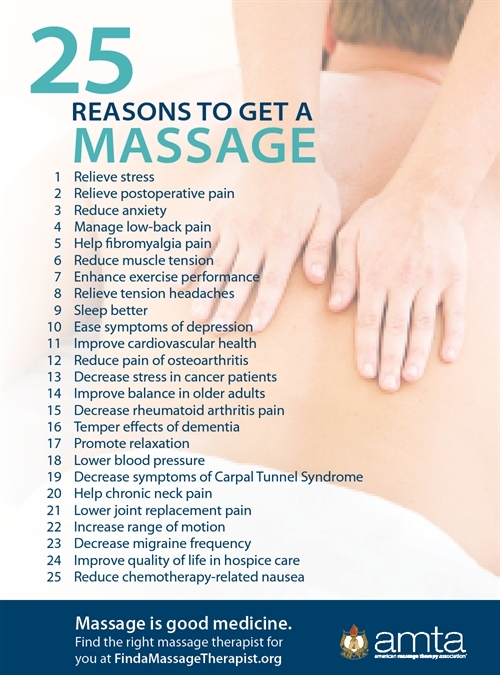
(I love this picture from AMTA website that shares some good reasons to get a massage.)

The website MassageTherapy.com list some of the many benefits of massage and has links for some clinical studies on massage. I have shared their information and links for resources below.

The Benefits Of Massage
What exactly are the benefits of receiving massage or bodywork treatments? Useful for all of the conditions listed below and more, massage can:

  • Alleviate low-back pain and improve range of motion.
  • Assist with shorter, easier labor for expectant mothers and shorten maternity hospital stays.
  • Ease medication dependence.
  • Enhance immunity by stimulating lymph flow—the body’s natural defense system.
  • Exercise and stretch weak, tight, or atrophied muscles.
  • Help athletes of any level prepare for, and recover from, strenuous workouts.
  • Improve the condition of the body’s largest organ—the skin.
  • Increase joint flexibility.
  • Lessen depression and anxiety.
  • Promote tissue regeneration, reducing scar tissue and stretch marks.
  • Pump oxygen and nutrients into tissues and vital organs, improving circulation.
  • Reduce post surgery adhesion’s and swelling.
  • Reduce spasms and cramping.
  • Relax and soften injured, tired, and overused muscles.
  • Release endorphins—amino acids that work as the body’s natural painkiller.
  • Relieve migraine pain.

A Powerful Ally
There’s no denying the power of bodywork. Regardless of the adjectives we assign to it (pampering, rejuvenating, therapeutic) or the reasons we seek it out (a luxurious treat, stress relief, pain management), massage therapy can be a powerful ally in your healthcare regimen.

Experts estimate that upwards of ninety percent of disease is stress related. And perhaps nothing ages us faster, internally and externally, than high stress. While eliminating anxiety and pressure altogether in this fast-paced world may be idealistic, massage can, without a doubt, help manage stress. This translates into:

  • Decreased anxiety.
  • Enhanced sleep quality.
  • Greater energy.
  • Improved concentration.
  • Increased circulation.
  • Reduced fatigue.

Furthermore, clients often report a sense of perspective and clarity after receiving a massage. The emotional balance bodywork provides can often be just as vital and valuable as the more tangible physical benefits.

Profound Effects
In response to massage, specific physiological and chemical changes cascade throughout the body, with profound effects. Research shows that with massage:

  • Arthritis sufferers note fewer aches and less stiffness and pain.
  • Asthmatic children show better pulmonary function and increased peak air flow.
  • Burn injury patients report reduced pain, itching, and anxiety.
  • High blood pressure patients demonstrate lower diastolic blood pressure, anxiety, and stress hormones.
  • Premenstrual syndrome sufferers have decreased water retention and cramping.
  • Preterm infants have improved weight gain.

Research continues to show the enormous benefits of touch—which range from treating chronic diseases, neurological disorders, and injuries, to alleviating the tensions of modern lifestyles. Consequently, the medical community is actively embracing bodywork, and massage is becoming an integral part of hospice care and neonatal intensive care units. Many hospitals are also incorporating on-site massage practitioners and even spas to treat post surgery or pain patients as part of the recovery process.

Increase the Benefits with Frequent Visits
Getting a massage can do you a world of good. And getting massage frequently can do even more. This is the beauty of bodywork. Taking part in this form of regularly scheduled self-care can play a huge part in how healthy you’ll be and how youthful you’ll remain with each passing year. Budgeting time and money for bodywork at consistent intervals is truly an investment in your health. And remember: just because massage feels like a pampering treat doesn’t mean it is any less therapeutic. Consider massage appointments a necessary piece of your health and wellness plan, and work with your practitioner to establish a treatment schedule that best meets your needs.

Resources:

http://www.massagetherapy.com

http://www.amata.com

Review the clinical research studies examining the benefits of massage.

Review massage information from the National Center for Complementary and Alternative Medicine, a division of the National Institutes of Health.

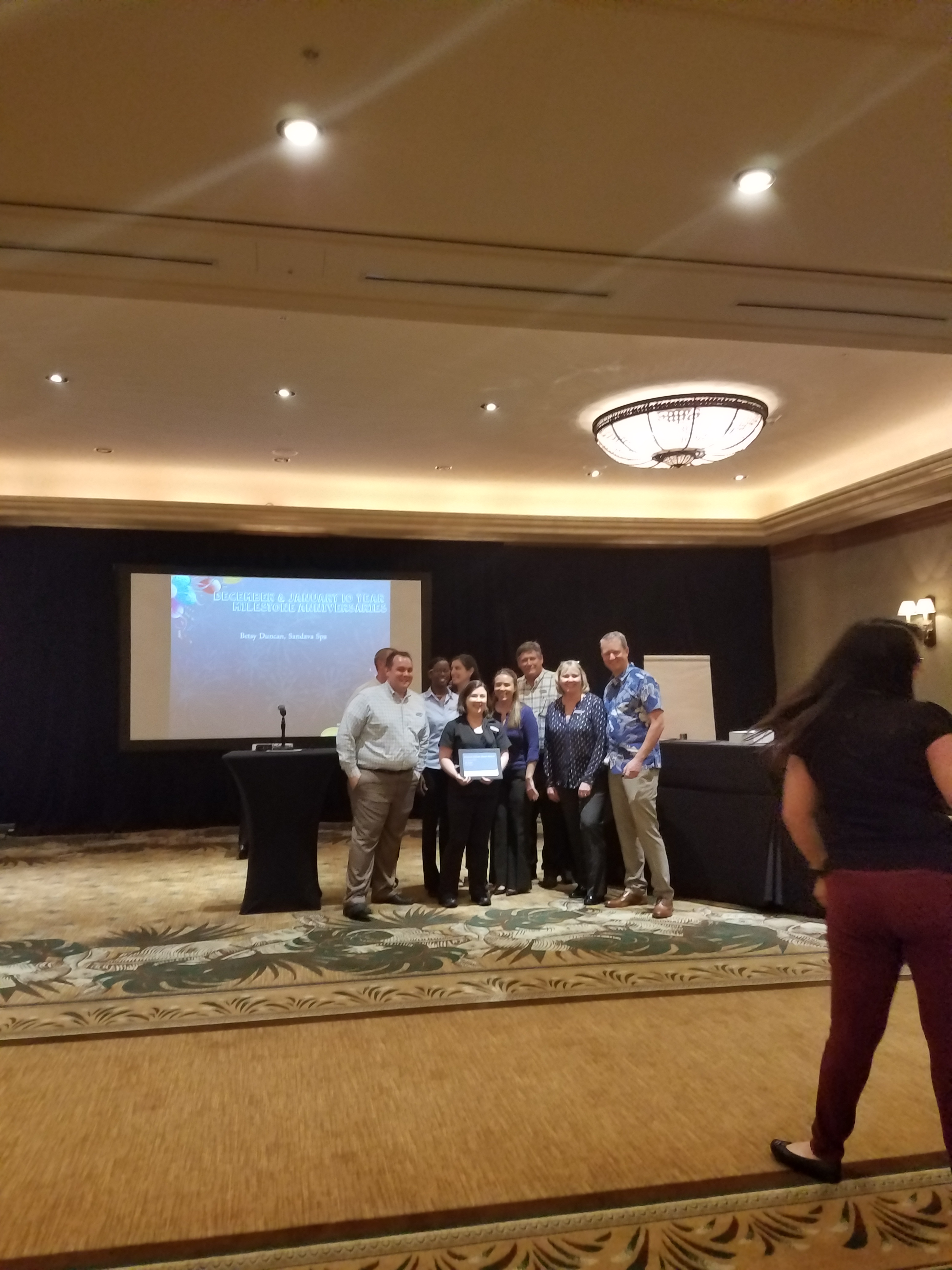
 

Celebrating 10 years 

I can’t believe it has been 10 years! Ten years ago I started working with Hyatt as a oncall massage therapist.  I’m now triple licensed and the senior/training therapist at Hyatt Regency Clearwater Beach Resort and Spa. I got a Tiffany necklace for my anniversary gift. I truly do love what I do and so thankful to work for such a great company.

Clouds Do Not Equal SPF Coverage


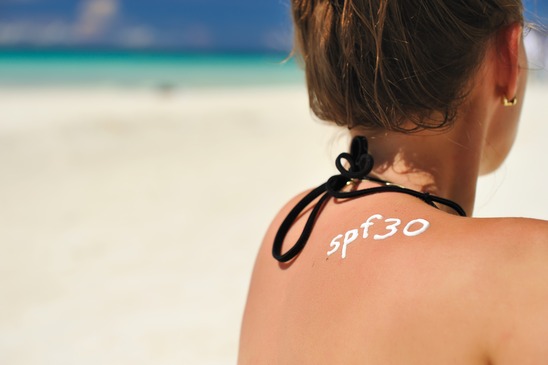
SPF

Q: What if it’s a cloudy day and there is no sun? Should I still use sunscreen?

A: If your aim is to prevent skin aging, yes. The sun, not time, is our skin’s greatest adversary.

While time causes chronological aging, the sun causes “photo-aging.” The sun’s rays lead to more than 80 percent of the changes that result in wrinkles, age spots, dilated blood vessels, spider veins, red bumps, growths and raised dark spots. And it doesn’t take much sun to do it. A 1997 article in the New England Journal of Medicine reported that only minutes of exposure here and there accumulate over the years and lead to premature skin aging. This is far less than the exposure required to produce visible sunburn or even a tan.

In addition, even when the sun doesn’t appear to be shining brightly, its rays are there, working their damage. The sun produces more than just the visible light we see on a daily basis. The sun also produces three types of ultraviolet rays which are invisible to our eyes: UVA, UVB, and UVC rays. UVC rays are absorbed by the ozone, which means that they do not reach the Earth. UVA and UVB rays can prematurely age and damage the skin and increase your risk of developing skin cancer. UVA rays are the most prevalent type of UV radiation, but not as intense as UVB. In other words, there is no such thing as a sunless day.

The first type, Ultraviolet A rays (UVA), penetrates more deeply into the skin. These rays are a product not just of direct sun but of all natural light, capable of reaching the skin through glass, clouds and smog. These rays penetrate deeply into the skin and are typically associated with skin aging and wrinkling. UVA rays are also the predominant ray in tanning booths, as they are the main contributor towards skin tanning, so don’t think that’s a no-risk way to get a tan.

The second type, Ultraviolet B rays (UVB), causes superficial and immediate skin damage by irritating the melanocytes in the bottom layer of the outer skin. Depending on the degree of irritation, we either get a tan or a burn. UVB rays are the primary factor in sunburn and reddening skin. These rays damage the superficial layers of the skin. Unlike UVA, UVB rays are not consistently intense. Their intensity varies depending on hour, location, and season. They also do not penetrate glass as much as UVA rays. However, UVB rays can still damage your skin at any time of year, especially from reflective surfaces or snow and ice.

Sunburns not only creates a cooked-lobster look but damage the skin’s immune system and increases the likelihood of potentially fatal malignant melanoma, which now occurs in 1 out of 90 Americans.

What Does the SPF in Sunscreen Mean?


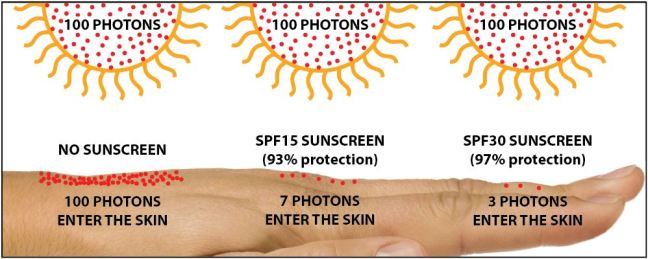
SPF, which stands for ‘sun protection factor’, indicates the amount of protection a product has against harmful UV rays. This protection comes in the form of specific ingredients which prevent the sun’s radiation from reaching the skin. You may be surprised to learn that a higher SPF doesn’t always mean better protection for your skin. SPF 15 blocks 93% of harmful rays while SPF 30 blocks 97%.

what-is-spf-sunsreen-sun-protection-factor

Sunscreen vs. Sunblock: What’s the Difference?

The terms sunscreen and sunblock are often used interchangeably. While both of these products aim to prevent radiation damage to the skin, they work in slightly different ways.

Sunscreen uses chemicals to filter out and/or absorb the sun’s radiation, and appear like a thin film on the skin. Sunblock uses ingredients which physically block ultraviolet rays, and can be thick in texture. Sunblock is generally recommended for people who are very sensitive to UV rays.

Protect Your Skin!

Using sun protective creams are just one part – albeit a very important part – of a complete skin protection plan. Use SPF 15 lotions and creams throughout the year to protect your skin. If you’re going out on the water or for a day at the park, choose a higher SPF to suit your needs.

  •  Choose the right sunscreen! Use sunblock if you are Burn easily? Choose a higher SPF.
  • Many sunscreens only protect against UVB rays. Look for ‘Broad spectrum’ protection for comprehensive coverage.
  • If you’re an athlete or spending time in the water, choose a waterproof sunscreen.
  • Don’t forget your lips! Your lips can burn just as easily as the rest of you. Choose a lip balm with a SPF rating of at least 15 and reapply frequently throughout the day.
  • Be generous with your application. You should generally expect to use about 1oz of sunscreen to cover your entire body.
  • Reapply sunscreen throughout the day if you are going to be outdoors, exercising, or at the pool or beach. Even waterproof sunscreen can wear off over time, especially if you are very active.
  • 10am – 4pm are usually the times of day where the sun’s rays are strongest. As tempting as it may be to lie in the sun, you should seek shaded areas instead to protect your skin.
  • SPF rated clothing is a great option for people who burn easily or have a strong sensitivity to UV rays.
  • Dermatologists strongly recommend using a sunscreen with an SPF 15 or greater year-round for all skin types. If you are fair-skinned and sunburn easily, you may want to select a sunscreen with a higher SPF to provide additional protection. Using a cream, oil or lotion is a matter of personal choice, but keep in mind that most oils do not contain sufficient amounts of sunscreen and usually have an SPF of less than 2. All sunscreens need to be reapplied, so follow the guidelines written on the sunscreen bottle. Gel sunscreens tend to sweat off and, therefore, need to be reapplied more frequently. Remember, expensive sunscreens are not necessarily of better quality.

On Florida’s sunniest, brightest days, it can be easy to develop a sunburn when you’re out on the beach or the water having fun. Even one bad sunburn can dramatically increase your chance of developing skin cancer later, so stay safe and do what you can to protect your skin!

Resources:

www.skincancer.org

https://www.floridamedicalclinic.com/spf

http://www.melanomafoundation.org/prevention/facts.htm


In Development

cropped-fullsizerender.jpg

So this is my first post for The Spa Nerd blog that I’m working on. This Blog’s purpose will be to share my 11+ years of experience in the spa and health industry. The picture above is the start of the process of the design for the blog’s theme. I’m working with a wonderful artist and friend named Sarah Pacetti. I have commissioned her for various projects over the years and love her work.  We are still hammering out the exact design so stayed tuned for the final result.

Here’s to many more posts and sharing about I love!

Betsy